
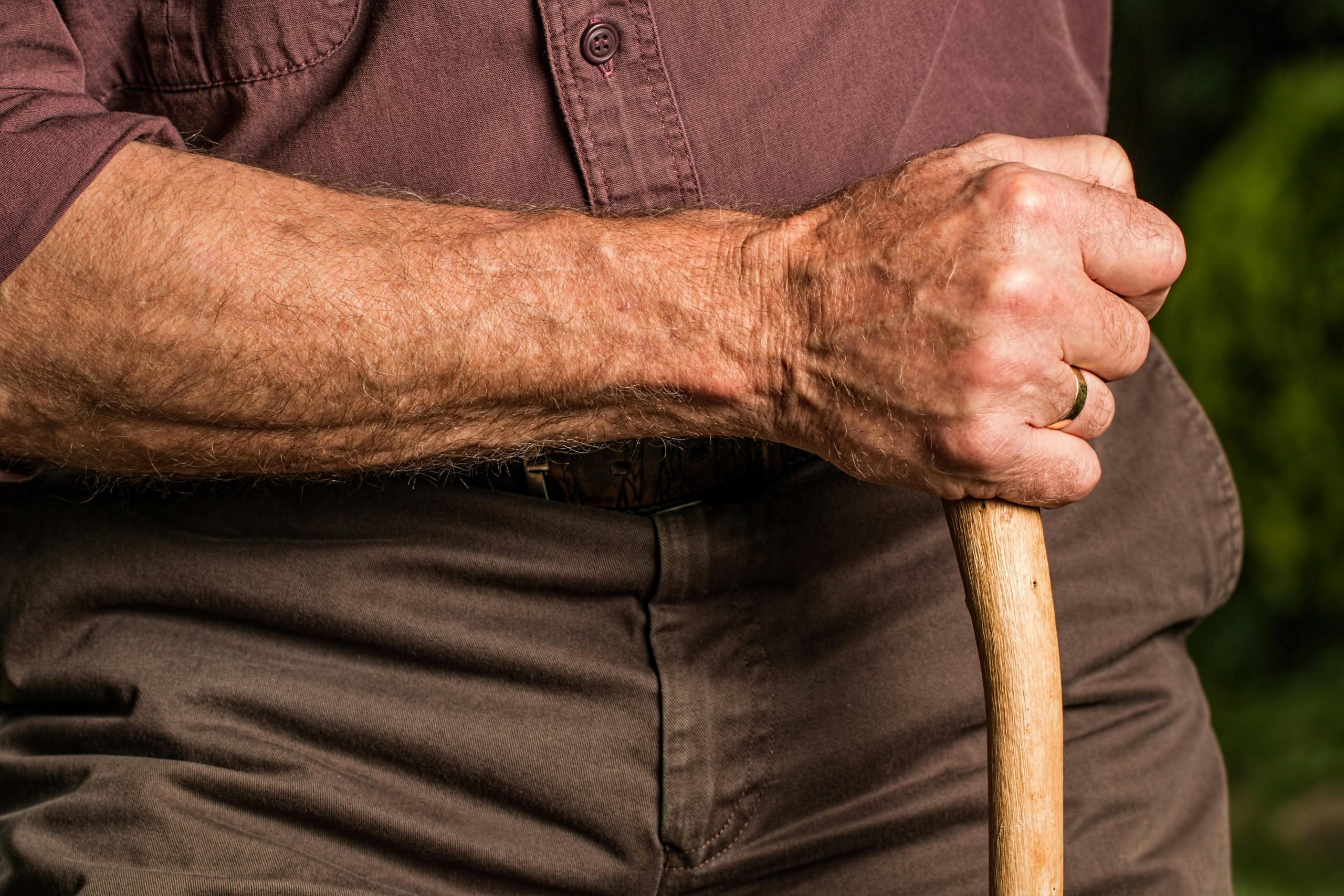
Falls are a leading cause of injury and death among older adults, making preventing falls for seniors essential to maintaining health and independence. By understanding key strategies for preventing falls, you can make all the difference in staying steady on your feet. Whether you’re caring for a loved one or aiming to improve your own safety, these tips for preventing falls for seniors will help you navigate daily life with confidence.
Why Fall Risk Prevention Matters
Falls can have serious consequences, including fractures, head injuries, and decreased mobility. The good news is that many falls can be prevented through proactive measures and lifestyle adjustments. By focusing on fall risk prevention, you can enhance your safety and preserve your quality of life.
Top Fall Risk Prevention Tips
1. Maintain a Safe Home Environment
Remove Clutter
Keep pathways clear of obstacles such as cords, furniture, and rugs to reduce tripping hazards.
Secure Rugs
Use non-slip mats or tape to prevent rugs from slipping.
Improve Lighting
Ensure all areas of your home, including hallways and staircases, are well-lit to help you see potential hazards.
2. Use Assistive Devices
Grab Bars
Install grab bars in bathrooms near the toilet and shower to provide stability.
Handrails
Ensure that handrails are securely installed on both sides of staircases.
Walker or Cane
If recommended by a healthcare professional, use a walker or cane to improve balance and support.
3. Strengthen Your Muscles
Exercise Regularly
Engage in exercises that build strength, balance, and flexibility. Activities like Tai Chi, yoga, or simple strength training can significantly reduce fall risk.
Focus on Balance
Incorporate balance exercises into your routine to enhance stability and coordination.
4. Check Your Medications
Review Side Effects
Some medications can cause dizziness or affect balance. Consult with your doctor about any potential side effects and whether adjustments are needed.
Avoid Alcohol
Limit alcohol consumption as it can impair coordination and increase the risk of falls.
5. Get Regular Vision Check-Ups
Update Eyewear
Regular eye exams ensure that your prescription is up-to-date, which can help you see more clearly and avoid tripping hazards.
Monitor Eye Health
Address any vision changes or eye conditions that might impact your balance.
6. Practice Safe Movement
Move Carefully
When moving from a seated to a standing position, do so slowly to avoid dizziness.
Wear Proper Footwear
Choose shoes with non-slip soles and avoid walking around in socks or slippers.
7. Stay Informed and Educated
Attend Fall Prevention Programs
Participate in community programs or workshops that focus on fall risk prevention.
Consult Healthcare Professionals
Seek advice from physical therapists or occupational therapists who specialize in fall prevention and can provide personalized recommendations.
Take Action Today
Implementing these fall risk prevention tips can make a significant difference in your overall safety and well-being. By creating a safer environment, strengthening your body, and staying informed, you can reduce your risk of falls and maintain your independence.
At PWR Physio, we are dedicated to supporting you in your fall risk prevention journey. If you have concerns about your balance or are interested in personalized fall prevention strategies, contact us today. Our expert team is here to help you stay steady and safe, so you can continue to enjoy life’s activities with confidence.
Don’t wait for a fall to happen—take action now and stay ahead with effective fall risk prevention strategies!


One Response
Thank you for sharing these important tips! I recently read that falls are increasing significantly for seniors for several reason, outlined here along with additional fall prevention tips: https://serenityhomecare.ca/2025/01/07/why-are-senior-falling-incidents-getting-worse/