
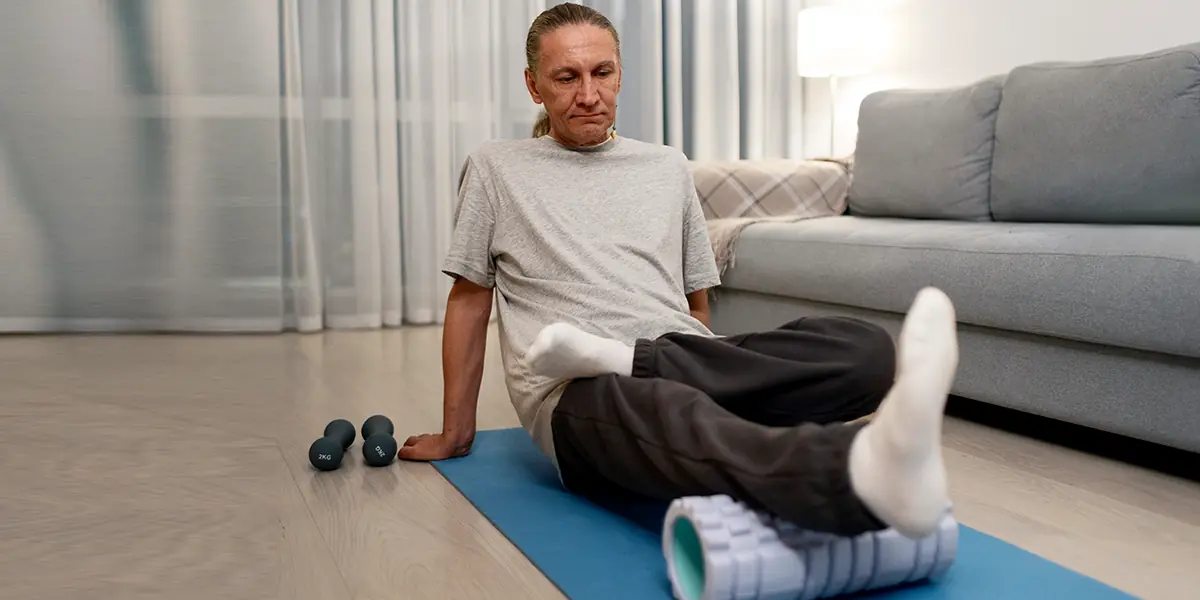
Hip replacement surgery helps reduce pain and restore movement. However, recovery needs time, effort, and the right plan. This guide explains safe steps that help patients regain strength and walk with confidence. It also explains how guided rehab improves long-term results.
Hip Replacement Recovery Exercises play a key role in rebuilding mobility after surgery. First, patients must understand that recovery starts immediately after the operation. Next, small movements help prevent stiffness and blood clots. Moreover, early activity supports faster healing and better joint function.
With the right plan, patients can return to daily activities with less fear and more control.
What to Expect After Hip Replacement Surgery
After surgery, most patients feel mild to moderate pain. Swelling around the hip is also normal. Therefore, movement may feel limited during the first few days.
Doctors usually encourage standing and walking within 24 hours. However, patients must use support like a walker or crutches. In addition, fatigue is common, so rest becomes important.
Hip Replacement Recovery Exercises begin with simple movements like ankle pumps and gentle leg slides. These early actions help improve circulation and reduce stiffness. Moreover, they prepare the body for more advanced exercises later.
As healing progresses, mobility slowly improves each week.
Why Early Movement Is Important for Recovery

Early movement prevents complications and supports faster recovery. First, it improves blood flow and reduces swelling. Next, it helps maintain muscle strength around the hip joint.
Patients who avoid movement for too long may face stiffness. Therefore, guided activity becomes essential from day one.
Hip Replacement Recovery Exercises also reduce the risk of blood clots. In addition, they help patients regain confidence in walking again. Moreover, early motion teaches the body safe movement patterns.
With proper guidance, patients recover faster and with fewer setbacks.
Key Exercises to Restore Walking Strength and Stability

Exercise plays a central role in recovery. However, patients must follow safe and controlled movements.
Here are some effective options:
- Ankle pumps improve circulation and reduce swelling
- Glute squeezes activate hip muscles
- Heel slides improve joint flexibility
- Standing hip abduction builds stability
- Marching in place improves balance
Hip Replacement Recovery Exercises must always focus on slow, controlled motion. First, patients should use support while standing. Next, they should increase repetitions gradually.
Moreover, walking practice becomes essential. Start with short distances using a walker. Then slowly increase steps as strength improves. As a result, walking becomes smoother and more natural over time.
Progression Timeline: From Walker to Independent Walking
Recovery follows a step-by-step timeline. In the first 1–2 weeks, patients rely heavily on walkers. During this stage, balance and pain control remain the focus.
Next, from weeks 3–6, patients begin using a cane. Strength improves, and walking becomes more stable. Moreover, confidence increases with daily practice.
Later, from weeks 6–12, many patients walk independently. However, continued exercise remains important.
Hip Replacement Recovery Exercises support every stage of this progression. Therefore, consistency matters more than intensity. In addition, steady effort leads to long-term success.
Eventually, most patients return to normal walking patterns with improved strength.
Common Mistakes to Avoid During Recovery
Many patients slow their recovery due to avoidable mistakes. First, overexertion can cause pain and swelling. Next, skipping exercises leads to stiffness.
Another common mistake involves poor posture while walking. Therefore, patients must stay mindful of alignment.
Also, ignoring professional advice can delay healing.
Hip Replacement Recovery Exercises should never feel rushed or forced. Moreover, patients must avoid sudden twisting or bending. Instead, they should focus on slow and steady progress.
As a result, recovery becomes safer and more effective.
How Physical Therapy Improves Outcomes After Surgery
Physical therapy plays a major role in recovery success. A trained therapist creates a structured plan based on patient needs.
Therapists guide movement, correct posture, and track progress. Moreover, they adjust exercises based on healing stages.
Hip Replacement Recovery Exercises become more effective under expert supervision. First, therapists ensure correct form. Next, they prevent injuries by controlling progression.
At PWR Physio, patients receive personalized rehab programs. The team focuses on restoring walking strength, balance, and independence. In addition, they support long-term joint health through education and training.
How PWR Physio Supports Post-Op Rehab in Lenexa & Kansas City
PWR Physio provides specialized post-surgical rehabilitation programs. The clinic focuses on safe recovery and functional movement training.
Patients receive one-on-one care tailored to their condition. Moreover, therapists track recovery milestones and adjust plans accordingly.
Hip Replacement Recovery Exercises at PWR Physio focus on real-world movement. Therefore, patients regain confidence in walking, stairs, and daily activities.
In addition, the clinic supports patients with education and long-term strategies for joint health.
Conclusion
Recovery does not have to feel overwhelming. With the right plan and support, patients at PWR Physio can gradually rebuild strength, restore mobility, and regain normal daily function. Personalized guidance ensures exercises are safe and effective, helping reduce pain and stiffness while improving overall movement.
Consistent care strengthens muscles, supports proper posture, and enhances flexibility, contributing to long-term physical health and confidence. By following a structured recovery approach, patients can experience steady progress, regain independence, and maintain a healthier, more active lifestyle over time.
Call us at 913-951-0515


