
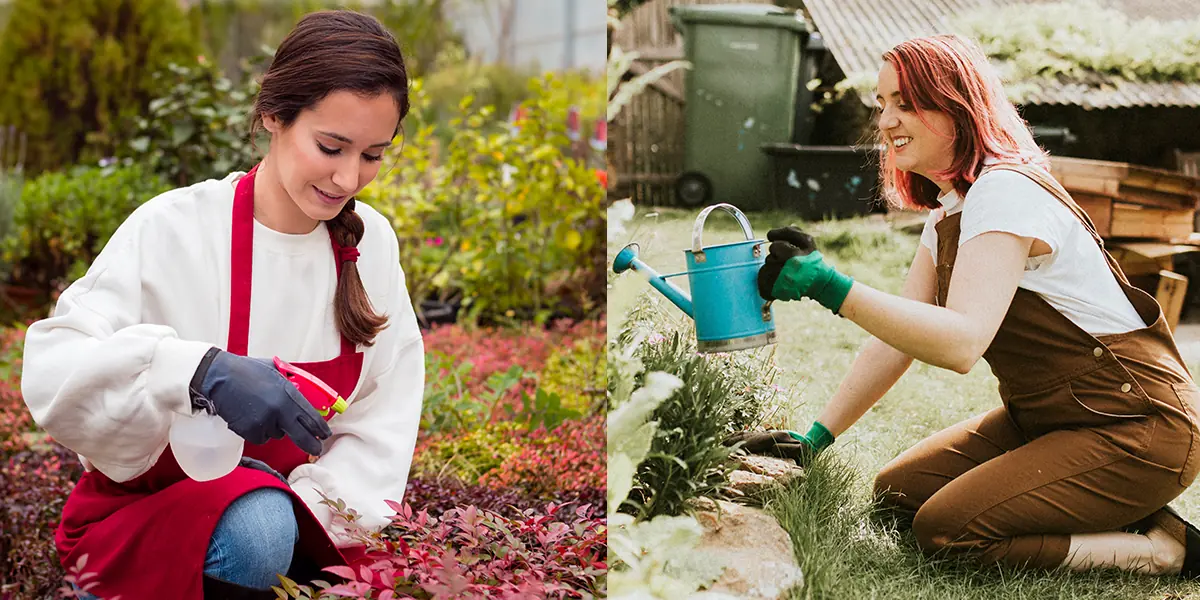
Gardening is a favorite hobby for many, offering fresh air, exercise, and the satisfaction of a well-kept yard. However, repetitive bending, kneeling, and lifting can strain your knees and lower back. Pain from gardening can quickly turn an enjoyable activity into a source of frustration. Understanding how to protect your joints is key to gardening without knee or back pain. This guide offers practical tips, safety advice, and techniques to keep your body comfortable while enjoying yard work.
Why Gardening Can Lead to Knee and Back Pain
Many gardening tasks involve prolonged bending, kneeling, or twisting. These movements place stress on the knees, lower back, and hips. Lifting heavy soil bags, shovels, or planters with improper technique can increase strain. Even small, repetitive motions like weeding can create overuse injuries over time.
Ignoring pain can worsen conditions like arthritis, tendonitis, or lower back strain. Recognizing the risk factors and learning safer techniques is essential for anyone looking to enjoy gardening without discomfort. By incorporating proper posture, supportive tools, and movement strategies, gardeners can maintain joint health and mobility.
5 Tips for Pain-Free Yard Work

1. Use Proper Body Mechanics and Posture
Correct posture is critical for avoiding injury. When lifting, bend at the knees and hips rather than the waist. Keep your back straight, hold objects close to your body, and avoid twisting. Using your legs to lift reduces pressure on your lower back.
While planting or weeding, kneel on one knee or use a small garden stool instead of bending forward repeatedly. Shifting your weight and alternating positions prevents fatigue and strain. Practicing proper body mechanics is essential for gardening without knee or back pain.
2. Take Breaks and Avoid Overuse
Even with good posture, overworking muscles can lead to soreness. Take short breaks every 20–30 minutes to stretch, walk, or hydrate. Avoid spending long hours in one position, which can overstress joints.
Gradually increase gardening duration if you are returning after a break. Frequent pauses reduce fatigue, improve circulation, and lower the risk of injury. Incorporating rest into your routine allows muscles and joints to recover during yard work.
3. Use Supportive Tools and Kneeling Pads
Ergonomic gardening tools, such as long-handled rakes or hoes, reduce the need to bend frequently. Knee pads or cushioned mats protect joints during planting or weeding.
Supportive equipment allows you to complete tasks comfortably and safely. Using proper tools also encourages correct posture and movement, minimizing stress on the lower back and knees. These simple adjustments are essential for gardening without knee or back pain.
4. Warm Up Before Starting Yard Work
A brief warm-up before gardening can prevent injuries. Gentle movements like marching in place, shoulder rolls, or leg swings increase blood flow and loosen muscles.
Warming up prepares joints for bending, lifting, and squatting, reducing the likelihood of strains or sprains. This step is often overlooked but plays a critical role in protecting your knees and back during outdoor activity.
5. Incorporate Stretching and Mobility Exercises
After gardening, stretching helps relax tight muscles and maintain flexibility. Focus on hamstrings, calves, hip flexors, and the lower back.
In addition to post-gardening stretches, regular mobility exercises strengthen muscles that support your joints. Improved flexibility and stability decrease the risk of injury and make yard work more enjoyable. Incorporating these exercises into your routine promotes long-term joint health and supports gardening without knee or back pain.
Common Injuries from Yard Work and How to Prevent Them

Knee pain, lower back strain, and repetitive stress injuries are common among avid gardeners. Lifting heavy objects incorrectly, prolonged kneeling, or twisting motions often contribute to these problems.
Prevention strategies include maintaining good posture, using supportive tools, taking breaks, and incorporating stretching and strengthening exercises. Additionally, staying mindful of body mechanics and listening to your body can prevent small aches from becoming chronic issues.
How Physical Therapy Helps Active Adults Stay Pain-Free
Physical therapy is valuable for gardeners of all ages. Therapists can assess muscle strength, flexibility, and movement patterns. They provide exercises tailored to strengthen the core, hips, and legs—all crucial for gardening without knee or back pain.
Therapists also teach proper lifting, bending, and squatting techniques. With guidance from a professional, you can safely complete yard work while reducing strain. Physical therapy supports recovery from minor aches, prevents long-term injuries, and enhances overall mobility.
How PWR Physio Supports Mobility and Injury Prevention
At PWR Physio, each patient receives an individualized assessment. Therapists evaluate posture, joint mobility, and strength to create personalized plans that prevent injury during yard work.
Their approach integrates posture training, stretching, strengthening, and practical advice for safe gardening. By focusing on gardening without knee or back pain, PWR Physio helps clients maintain mobility, reduce discomfort, and protect joints. This ensures that gardening remains a safe, enjoyable, and pain-free activity.
Conclusion
Gardening can be both rewarding and pain-free with the right techniques. Maintaining proper posture, using supportive tools, taking breaks, warming up, and stretching are all essential steps. Physical therapy, like that offered at PWR Physio, adds an extra layer of protection by strengthening muscles, improving flexibility, and teaching safe movement patterns. By following these tips, gardeners can enjoy yard work, maintain joint health, and stay active without pain. Gardening without knee or back pain is achievable with knowledge, preparation, and safe practices.
Call us at 913-951-0515


